Missiles for Peace?
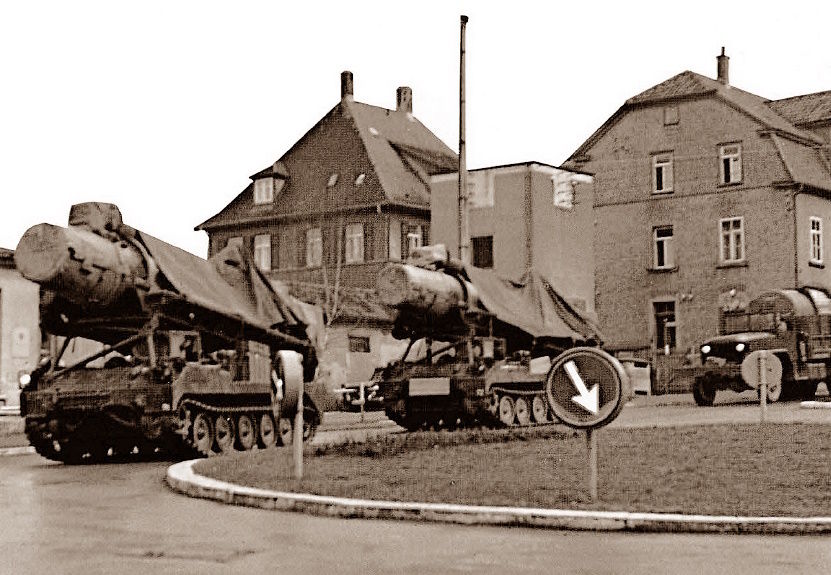
A military symbol of the Cold War, a political issue of global significance, and a piece of technological history right in the heart of Germany: The story of the Pershing missiles is inseparable from global politics and the fears of an entire generation.
This book takes readers on a fascinating journey through time — from the beginnings of "Operation Paperclip," when German rocket scientists were brought to the United States after 1945, to the technical development of the Pershing systems and their controversial deployment on German soil.
With the Euromissile crisis of the 1980s, the Pershing missiles moved to the center of international tensions, protest movements, and geopolitical power games. They became symbols of deterrence — and at the same time a mirror of the political realities of the Cold War.
About the Book
Missiles for Peace? recounts how Pershing missiles in West Germany became symbols of deterrence, threat, and resistance. Well-researched, gripping, and clearly presented, this book not only examines the technology behind the missiles but also the social and political debates they sparked.
Anyone seeking to understand how military technology shaped history — and what role Germany played — will find an insightful and compelling read. This book combines military history, technical details, and political background, showing how missile programs can influence an entire society.
What you will discover
- Clear overview of Pershing missile development and deployment.
- Introduction to technical fundamentals and strategic concepts of missile armament.
- Insights into the peace movement and protests of the 1980s.
- Thought-provoking perspectives on deterrence, security, and peace today.
First Look Inside
In one of the opening chapters, the book shows how abstract range numbers suddenly turn into concrete threat scenarios for cities and regions — and why technical details like accuracy and warning time shaped political debates.
The narrative connects historical events with the perceptions of local people: soldiers, activists, local politicians, residents. The result is a dense portrait of a time when nuclear missiles were part of everyday life.
About the Author
Max Bold, born 1949, studied political science in Munich. His master's thesis was titled "West Germany's Participation in NATO Military Strategy". During his professional career, he worked as a journalist for various publishers and in various positions, mastering the journalistic craft in all its facets.
Missiles for Peace? is aimed at readers who want to understand how arms policy works beyond the headlines — and what role social protest plays in creating change.

Other Publications by the Author (English / German)
- Fire in Fort Redleg • January 17, 2025 (German)
- Missiles for Peace – the Endless Loop • November 29, 2024 (German)
- NATO Double-Track Decision: At Night, When the Missiles Came • January 19, 2024 (German)
- Pershing II in Germany: The Costs of the Cold War and the Search for Peace • January 20, 2024 (German)